
AI Commentary Analysis Across Denominations
Explore how AI tools enhance Bible study by comparing interpretations across denominations, while emphasizing the importance of traditional methods.
AI tools are changing how people study the Bible by comparing interpretations across Christian denominations. This article reviews three tools – BibleGPT, Spirit Speak AI, and Psalmlog – each offering unique ways to explore Scripture:
- BibleGPT: Text-focused, compares denominational commentaries but struggles with smaller traditions and cultural biases. Best for academic users needing broad comparisons.
- Spirit Speak AI: Conversational, user-friendly but has limited data and lacks advanced features. Good for casual learners.
- Psalmlog: 6-point AI biblical guidance with voice journaling and personal insights, prioritizing reflection over deep academic analysis. Ideal for individuals seeking spiritual growth.
While these tools provide new ways to study the Bible, they should complement – not replace – traditional methods and trusted resources. Choose based on your goals: research, group study, or personal reflection.
How to Use AI to Study the Bible
1. BibleGPT
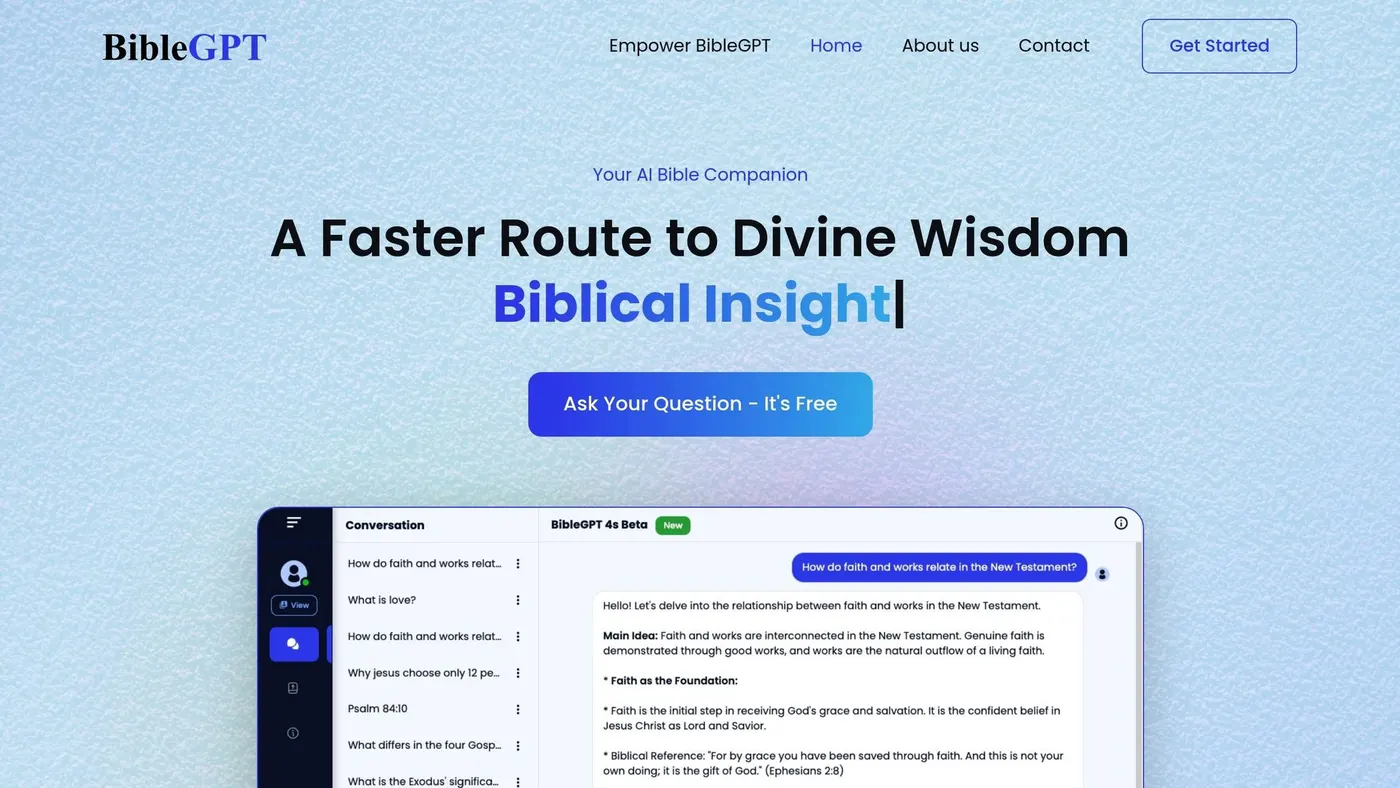
BibleGPT is an AI tool designed to assist with biblical commentary analysis. While it offers intriguing possibilities for Scripture study, it faces challenges in accurately reflecting the nuances of different denominational perspectives. Understanding its strengths and limitations is key to making the most of this tool.
Denominational Coverage
BibleGPT relies on a wide range of online commentary sources, which can make it difficult to reliably separate biblical truths from human interpretations. This poses a challenge when navigating the rich theological diversity that exists across Christian traditions, including Catholic, Orthodox, and various Protestant denominations. The tool may unintentionally present interpretations that fall outside traditional frameworks, often without clear labeling. This lack of transparency can make it harder for users to determine which theological traditions are influencing the commentary.
Another issue is cultural bias. Since much of its training data is drawn from modern and secular sources, there’s a risk that contemporary cultural viewpoints could overshadow historical or orthodox interpretations. This imbalance might skew the representation of certain denominational perspectives, creating a less accurate portrayal of their theological positions.
Key Features for Analysis
BibleGPT offers tools like text-based commentary synthesis and denominational filtering to help users explore different theological perspectives on Scripture. However, its attempt to remain religiously neutral means it does not affirm biblical authority – a cornerstone for many Christian denominations. While users can filter results by denominational perspective, these categorizations may lack the depth needed to fully capture the subtleties of traditional interpretations. For this reason, it’s crucial for users to cross-check the AI’s insights with trusted denominational resources to ensure accuracy and reliability.
User Experience
The interface is straightforward and text-focused. Users can input biblical passages and receive commentary that spans multiple denominational viewpoints. It also allows for comparative analyses, enabling users to explore how different traditions interpret the same text. However, interpretations can vary over time, and BibleGPT is best viewed as an educational tool rather than a definitive authority. While it can provide valuable perspectives, it cannot replace the spiritual growth and discernment that come from traditional study methods.
2. Spirit Speak AI
While BibleGPT provides measurable insights, Spirit Speak AI remains in a phase where reliable data is still lacking, leaving room for future comparisons as more tools become available.
At this time, there isn’t enough verified information to thoroughly evaluate Spirit Speak AI’s approach to denominational biblical commentary. Details about its denominational scope, comparative features, and overall user experience are not yet accessible. Without this data, a comprehensive review isn’t possible for now.
As more verified information becomes available, we’ll revisit Spirit Speak AI before turning our attention to the evaluation of Psalmlog.
3. Psalmlog
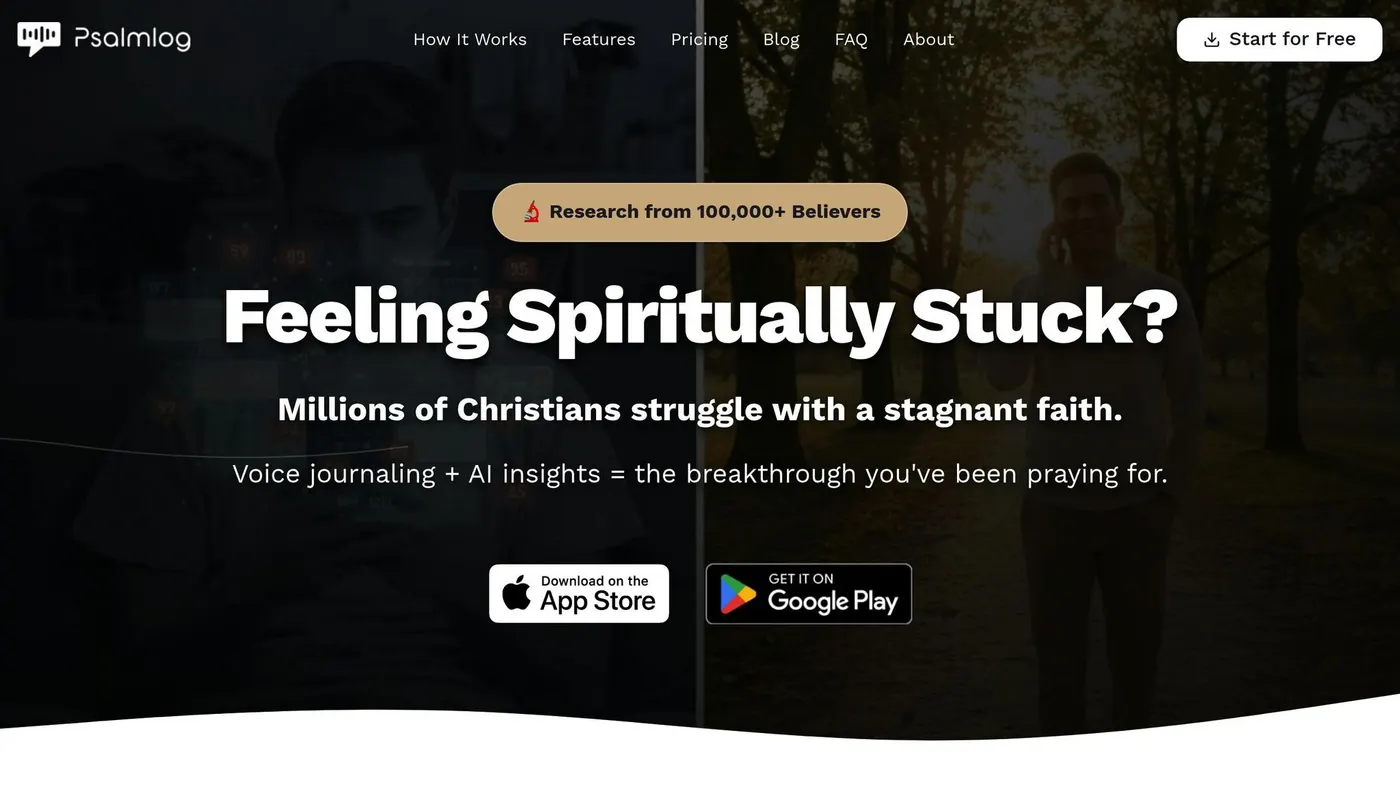
Psalmlog stands out from other AI tools by pairing 6-point AI biblical guidance with text and voice-based journaling for biblical reflection. Instead of relying purely on text-based commentary or systematic denominational comparisons, Psalmlog focuses on fostering personal spiritual growth through individualized reflection backed by structured AI insight.
Denominational Coverage
Psalmlog’s denominational reach is shaped by user-driven scripture tagging and multi-lingual Bible translations. By linking written or spoken reflections to specific scripture passages, the platform allows users to incorporate various denominational perspectives through its theological resources.
However, it’s important to note that Psalmlog places a greater emphasis on personal reflection rather than in-depth denominational analysis. Users seeking detailed, cross-denominational theological studies may need to pair Psalmlog with additional scholarly resources, as its primary strength lies in nurturing individual spiritual journeys rather than comparative theology.
Key Features for Analysis
Psalmlog leverages AI to enhance biblical commentary through its 6-point AI biblical guidance framework, which structures every reflection into emotional, personal, key insight, connection, next step, and encouragement layers. Users can journal by typing or, on Faith Builder and Shepherd plans, by speaking their reflections, which the platform processes using natural language understanding.
One standout feature is scripture tagging, which links personal reflections to specific biblical passages. This creates a personalized database where the AI analyzes entries to identify themes, emotional tones, and scriptural connections tailored to the user’s unique reflection patterns.
Sentiment analysis adds another layer by interpreting the emotional tone of the reflections and aligning it with biblical teachings. This, combined with scripture tagging, helps users gain deeper spiritual insights. Additionally, Psalmlog provides visual dashboards that display key metrics, such as journaling frequency, emotional trends, scripture engagement, and thematic patterns, offering a clear overview of personal spiritual growth.
This thoughtful integration of features ensures users have a seamless experience that prioritizes privacy and personal spiritual development.
User Experience
Psalmlog is designed with privacy and personalization at its core. Entries are stored securely on managed infrastructure, and AI providers are contractually prohibited from training on user data – giving users peace of mind that their reflections remain confidential. This focus on privacy is especially appealing to those who wish to keep their spiritual journey private while benefiting from AI-driven insights.
Psalmlog offers four plans:
- Free ($0): 3 lifetime journal entries to try the format, basic AI biblical guidance, multi-lingual Bible translations, text input, web only.
- Seeker ($9.99/month, or $8.33/month billed annually): 30 sessions/month with the full 6-point AI biblical guidance, mobile app (iOS + Android), basic templates, Psalmstory sharing, and CSV export.
- Faith Builder ($19.99/month, or $14.99/month billed annually): Unlimited sessions, 30-day contextual AI memory, 300 minutes of voice journaling per month, Psalmcast (5 credits/mo), basic insights dashboard, premium templates, and calendar sync.
- Shepherd ($34.99/month, or $24.99/month billed annually): Unlimited sessions, 3–6 month AI context, unlimited voice journaling, full Psalmcast (50 credits/mo), full insights dashboard, weekly spiritual pulse, and a devotional book PDF.
All paid plans include a 7-day free trial. See full pricing for details.
The platform’s visual dashboards further enhance the user experience by allowing individuals to track their spiritual progress and identify areas for deeper reflection. Users can also create shareable insights and manually compare their reflections with others for broader denominational perspectives, adding an extra layer of engagement.
Advantages and Disadvantages
Building on the earlier analysis, this section highlights the strengths and weaknesses of each tool, offering a balanced view of their contributions to denominational commentary analysis. Each AI platform serves different user needs, making them valuable for various approaches to theological study.
BibleGPT provides extensive denominational coverage by incorporating commentaries from Protestant, Catholic, and Orthodox traditions. Its AI engine compiles interpretations from a vast library, allowing users to compare perspectives on key passages. It also saves time with side-by-side commentary summaries and citation management tools. However, BibleGPT falls short in its coverage of smaller and non-Western denominations, potentially overlooking culturally specific interpretations. Additionally, its complex interface may be challenging for beginners, and many advanced features are locked behind a paywall.
Spirit Speak AI emphasizes a conversational approach, making it easier to explore denominational differences. Users can ask specific questions, such as how Baptists and Methodists view baptism, and receive comparative summaries with supporting quotes. While the conversational interface is user-friendly, the tool has a smaller commentary library compared to BibleGPT and lacks advanced research features like citation management. Its responses may also lack depth for niche or highly specialized denominational perspectives.
Psalmlog takes a more personal approach, integrating 6-point AI biblical guidance and voice-driven reflection with denominational insights. For example, users reflecting on passages like the Lord’s Supper can tag scriptures and receive AI-generated insights comparing their views with those from Catholic, Protestant, and Orthodox traditions. With features like voice journaling and sentiment analysis, Psalmlog helps track personal spiritual growth. Research involving over 100,000 believers shows that engaging Scripture at least four times a week reduces spiritual stagnation by 60% and boosts faith-sharing by 228%. However, it prioritizes personal reflection over comprehensive theological analysis.
| Tool | Advantages | Disadvantages |
|---|---|---|
| BibleGPT | Broad denominational coverage with citation tools | Limited representation of smaller denominations; Steep learning curve for beginners |
| Spirit Speak AI | User-friendly conversational interface | Smaller library; Lacks advanced research tools |
| Psalmlog | Encourages personal growth with research-backed features | Focuses more on reflection than in-depth analysis |
Choosing the right tool depends on individual needs. Academic researchers might lean toward BibleGPT for its extensive denominational resources and citation tools. Small group leaders or casual learners may prefer Spirit Speak AI’s conversational style, while those prioritizing personal spiritual growth could benefit most from Psalmlog’s reflective features.
Despite their strengths, all three tools share common limitations. They may oversimplify complex theological discussions and reflect biases in their training data. Experts suggest using these platforms as a starting point, supplementing AI insights with traditional scholarship and guidance from denominational leaders. Combining AI tools with human discernment creates a more balanced and enriching approach to biblical study, ensuring that technology complements rather than replaces personal understanding.
Conclusion
Examining AI commentary analysis tools reveals a variety of platforms catering to diverse theological needs. Each offers its own advantages for denominational Bible study: BibleGPT provides an extensive library of scholarly resources, Spirit Speak AI delivers a conversational experience sensitive to denominational nuances, and Psalmlog emphasizes personal reflection through 6-point AI biblical guidance, voice journaling, and AI-driven insights.
It’s important to approach AI tools in theological studies with care. While these platforms excel at uncovering patterns and offering diverse perspectives across denominations, they should not replace the profound understanding gained through traditional scholarship and community interaction. Think of AI-generated insights as conversation starters – use them to explore ideas but always verify them against primary texts and trusted commentaries.
Choosing the right tool depends on your specific goals. Academic researchers delving into cross-denominational studies might value BibleGPT’s rich library and citation tools. Small group leaders looking for clear, accessible explanations may prefer Spirit Speak AI’s intuitive design. Meanwhile, individuals seeking to deepen their personal spiritual journey could benefit from Psalmlog’s voice journaling and sentiment analysis features, which help track growth over time.
The future of AI in theological studies lies in collaboration, not replacement. These tools are most effective when paired with human discernment, guidance from denominational traditions, and the wisdom of traditional scholarship. As Jennifer K., a busy mom who uses Psalmlog, shared:
"I went from reading my Bible maybe once a week to engaging 5-6 times through Psalmlog. The AI insights help me understand passages I never would have found on my own. I’m finally experiencing the spiritual growth I’d been missing."
Blending these tools with established methods ensures a balanced and meaningful approach to Bible study. Embrace innovation, but remain rooted in theological depth and authenticity. These AI platforms open new doors to denominational perspectives, but their true value lies in how thoughtfully they are used to enrich the study of scripture.
FAQs
How can I choose the right AI tool for my Bible study needs?
When choosing an AI tool for your Bible study, it’s important to focus on your specific needs and what features will best support them. Are you seeking tools to aid personal reflection, gain deeper insights into scripture, or track your spiritual journey over time?
Psalmlog stands out with features like 6-point AI biblical guidance, voice journaling (on Faith Builder and Shepherd plans), scripture tagging, and tailored spiritual insights. These tools are designed to help you connect more deeply with scripture while offering a private and secure space for reflection and growth.
What challenges might arise when using AI tools for theological studies, and how can they be addressed?
AI tools can offer helpful insights for theological studies, but they aren’t without their challenges. One major limitation is their inability to grasp the deep cultural, historical, and denominational contexts that are essential for interpreting scripture. On top of that, the biases present in the data used to train AI models can shape the outcomes, sometimes resulting in analyses that are incomplete or skewed.
To navigate these challenges, it’s best to see AI as a supportive resource rather than the ultimate authority. Pair AI-generated insights with trusted biblical commentaries and seek guidance from theological experts when needed. This balanced approach helps ensure a deeper and more accurate understanding of scripture.
How does Psalmlog protect my privacy while offering personalized spiritual insights?
Psalmlog is dedicated to offering a safe and private space for your journaling journey. Entries are stored securely on managed infrastructure, and AI providers are contractually prohibited from training on user data, so your personal reflections stay confidential.
With these safeguards in place, Psalmlog delivers powerful features like 6-point AI biblical guidance, scripture tagging, and sentiment analysis. This thoughtful approach lets you concentrate fully on your spiritual growth without worrying about privacy.