
Ultimate Guide to Bible Verse Graphics for Social Media
Explore how to create visually stunning Bible verse graphics for social media, enhancing engagement and sharing spiritual messages effectively.
Bible verse graphics are a great way to share scripture on social media in a visually engaging format. By pairing verses with design elements like fonts, colors, and backgrounds, these graphics make spiritual messages more appealing and accessible. Churches, ministries, and individuals use them to inspire, connect, and spark conversations online.
Why they work:
- They grab attention in fast-paced social feeds.
- They appeal to younger, image-focused audiences.
- They encourage likes, shares, and comments, increasing reach.
Trends to know:
- Minimalist designs and vibrant or pastel colors are popular.
- Instagram leads as the top platform for scripture visuals.
- Subtle animations and nature-inspired themes enhance posts.
Tools to create them:
- Canva: Beginner-friendly with free and paid options.
- Adobe Photoshop: Advanced customization for professionals.
- Mobile apps: Quick, on-the-go design options.
Resources to use:
- Life.Church Open Network: Free, ready-to-use graphics.
- Tithe.ly Media: Customizable templates for churches.
- PosterMyWall: Affordable templates for various styles.
To maximize engagement, post graphics during peak times (e.g., mornings or Sunday evenings), use relevant hashtags, and include captions that encourage interaction. Always respect copyright rules for Bible translations and images. Platforms like Psalmlog can also help you pair personal reflections with scripture, making your posts more meaningful.
Tools and Resources for Creating Bible Verse Graphics
Design Tools for Beginners and Professionals
If you’re just starting out, Canva is an excellent choice. It offers a free tier with essential features and a Pro version for $12.99 per month, which unlocks premium templates and advanced editing tools. With its drag-and-drop interface, Canva makes it easy to create Bible verse graphics, even if you have no prior design experience. You can pick from hundreds of scripture-specific templates and tweak colors, fonts, and backgrounds to match your church’s branding or your personal style.
For those who want complete control over their designs, Adobe Photoshop is the go-to tool. At $20.99 per month, it’s a favorite among professionals, offering unparalleled customization and precision. While it has a steeper learning curve, Photoshop allows you to craft original designs that can be resized and adapted for various social media platforms.
For quick and convenient design on the go, mobile apps are a great solution. These apps are optimized for touchscreens and come with simplified interfaces, perfect for creating and sharing graphics directly from your smartphone. They’re especially handy for moments of spontaneous inspiration or last-minute social media posts.
When choosing a design tool, look for features like preset social media dimensions, high-resolution export options, and mobile compatibility. If custom design feels overwhelming, there are plenty of ready-made resources to make the process easier.
Ready-Made Resources for Bible Verse Graphics
For a library of free, high-quality scripture graphics, Life.Church Open Network is a standout resource. It provides thousands of downloads with no licensing restrictions, making it a favorite among churches and individuals alike. Their graphics are optimized for social media and widely used in Christian communities.
Another excellent option is Tithe.ly Media, which offers a collection of customizable church graphics, including Bible verse templates. These templates strike a balance between pre-made designs and personalization, allowing you to adjust scriptures, colors, and fonts while maintaining a polished look.
If you’re working with a limited budget, PosterMyWall has you covered. They offer free templates as well as premium designs priced between $2.99 and $9.99. Their scripture-focused templates cater to a variety of styles, from minimalist to vibrant, making it easy to find something that fits your audience.
For those looking to create video-based scripture content, Etsy is a treasure trove. You can find creative packs of 100 editable video templates for $10–$20, perfect for platforms like Instagram Reels or TikTok.
Here’s a quick comparison of these resources:
| Resource | Cost Range | Customization Level | Best For |
|---|---|---|---|
| Life.Church Open Network | Free | Low | Quick downloads, no editing needed |
| Tithe.ly Media | Free | High | Churches needing branded consistency |
| PosterMyWall | Free – $9.99 | Moderate | Variety of styles and formats |
| Etsy Template Packs | $10 – $20 | High | Video content and bulk resources |
These resources are great starting points, but if you’re looking to blend creativity with personal reflection, there’s another tool worth exploring.
How Psalmlog Improves the Creative Process
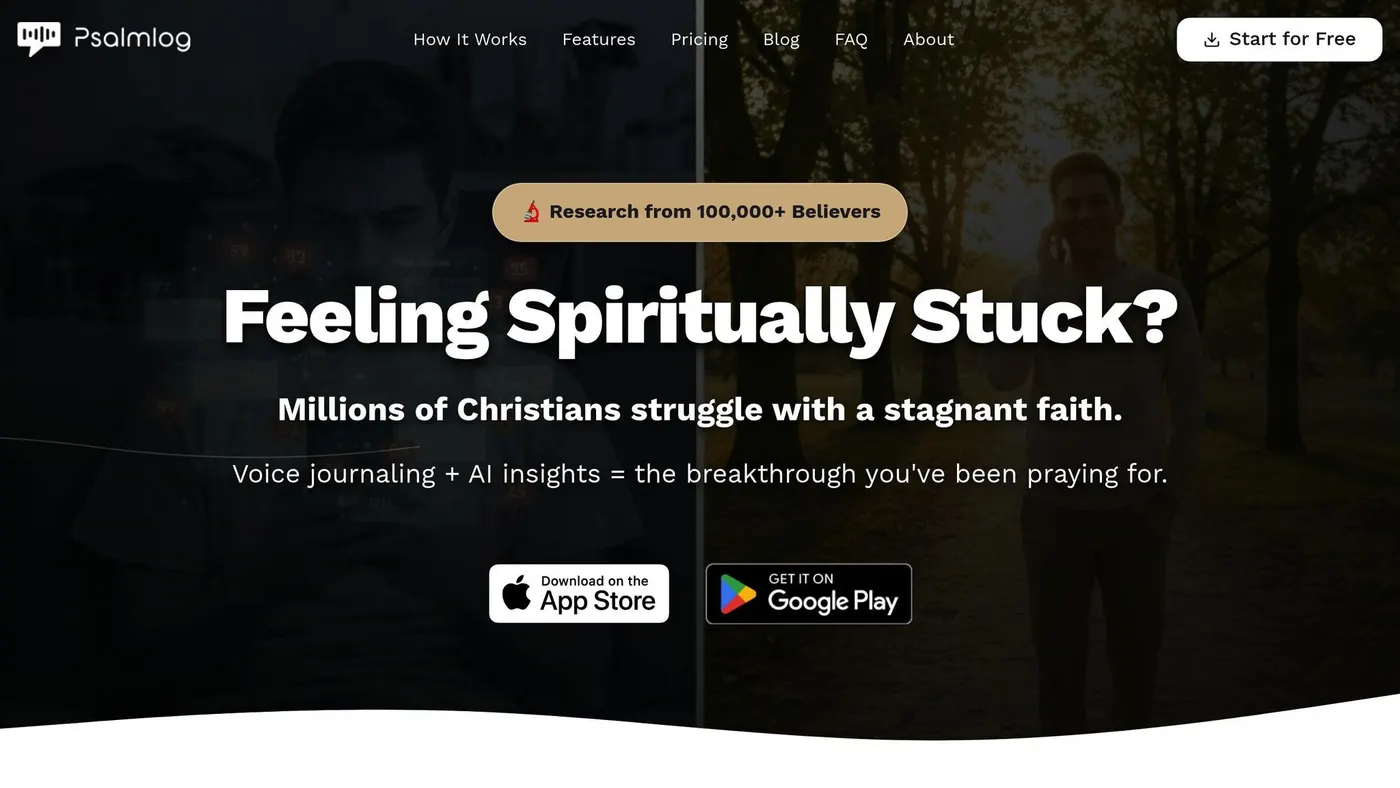
Psalmlog takes scripture design to a whole new level by combining personal reflection with graphic creation. With its 6-point AI biblical guidance, voice journaling (on every paid plan), and scripture tagging features, Psalmlog allows users to capture written or spoken reflections during devotions, commutes, or quiet moments. These reflections can then be paired with relevant Bible verses, making the designs deeply personal and meaningful.
One of its standout features is sentiment analysis, which identifies emotional themes in your reflections. This can guide the visual tone of your graphics – soft blues and gentle imagery for themes of comfort, or warm, uplifting colors for messages of hope.
Psalmlog also offers visual dashboards that track spiritual growth patterns and highlight frequently referenced scriptures. This helps users focus on verses that resonate most with their personal journey, creating content that feels authentic and heartfelt rather than generic.
The platform’s shareable insights feature – including Psalmstory and Psalmcast – turns private reflections into public ministry. By combining personal testimony with scripture, users can create graphics that feel relatable and engaging, often sparking higher levels of interaction because they connect universal biblical truths with individual experiences.
Psalmlog offers four plans:
- Free ($0): 3 lifetime entries, full 6-point AI biblical guidance, multi-lingual Bible translations, text input, web only.
- Seeker ($9.99/month, or $8.33/month billed annually): 30 sessions/month with the full 6-point AI biblical guidance, mobile app, voice journaling (300 min/mo), basic templates, Psalmstory sharing, CSV export.
- Faith Builder ($19.99/month, or $14.99/month billed annually): Unlimited sessions, 30-day contextual AI memory, 300 minutes of voice journaling per month, Psalmcast (5 credits/mo), basic insights dashboard, premium templates, calendar sync.
- Shepherd ($34.99/month, or $24.99/month billed annually): Unlimited sessions, 3–6 month AI context, unlimited voice journaling, full Psalmcast (50 credits/mo), full insights dashboard, weekly spiritual pulse, devotional book PDF.
All paid plans include a 7-day free trial – see full pricing. Whether you’re an individual looking to share your spiritual journey or a church aiming to inspire its congregation, Psalmlog offers a unique way to bring scripture to life.
A CANVA TUTORIAL: 3 BIG mistakes in creating Bible verse graphics and how to correct them
Designing and Customizing Bible Verse Graphics
Creating effective Bible verse graphics takes thoughtful planning, from selecting the perfect scripture to crafting designs that are visually appealing and spiritually meaningful.
Selecting the Right Bible Verse and Translation
The heart of any impactful scripture graphic lies in choosing a verse that resonates with your audience. Think about what your community might need right now – whether it’s encouragement during tough economic times, comfort in stressful seasons, or hope in the face of uncertainty. For example, a verse about God’s provision could offer reassurance during financial challenges, while passages about peace might uplift during chaotic moments.
Choosing the right translation is just as important. In the United States, the NIV (New International Version) is widely appreciated for its balance of clarity and modern language. The ESV (English Standard Version) appeals to those who prefer a more literal translation, while the NET (New English Translation) provides detailed footnotes for added context. Always include the translation abbreviation with your verse (e.g., "Philippians 4:13 NIV") and double-check copyright requirements for proper attribution.
Keep in mind that length matters, especially for social media. If a verse exceeds 25–30 words, consider breaking it into multiple graphics or highlighting key phrases to keep the message concise and engaging.
Design Principles for Effective Graphics
Typography is the backbone of any scripture graphic. Stick to two or three fonts at most – one for the main verse and another for attribution or accent text. Sans-serif fonts like Arial, Helvetica, or Open Sans are great choices because they stay clear and readable, even on smaller mobile screens.
Contrast is key for readability. Dark text on light backgrounds or white text on dark backgrounds ensures your message is accessible to everyone, including those with visual impairments. If you’re using a busy background image, apply a semi-transparent overlay to maintain clarity.
The colors you choose can evoke specific emotions that align with your verse. For example:
- Soft blues and greens create a sense of peace and comfort, perfect for verses about God’s care.
- Warm oranges and yellows radiate hope and joy, ideal for uplifting messages.
- Rich purples and golds convey majesty and reverence, fitting for passages about God’s sovereignty.
Your imagery should enhance the text, not overpower it. Simple visuals like nature scenes, geometric patterns, or subtle textures can add depth without stealing attention. Remember, the verse itself should always be the star of the design.
Don’t forget mobile optimization. Use font sizes that are at least 24 points for the main text and ensure there’s enough spacing between lines. Always preview your graphic on a mobile device to confirm its readability. For accessibility, consider colorblind-friendly palettes and include descriptive alt text when posting to assist users with screen readers.
Formatting Graphics for Social Media Platforms
Different social media platforms have unique size requirements, so tailoring your graphics to fit each one is crucial. For example:
- Instagram prefers square images (1080×1080 pixels) for feed posts, while portrait formats (1080×1350 pixels) work well for longer verses.
- Facebook performs best with landscape images (1200×630 pixels), which also display nicely when shared as links.
The file format you choose matters, too. Use JPEG for graphics with photographic backgrounds to keep file sizes small and load times fast. On the other hand, PNG is ideal for designs with crisp text or transparent backgrounds.
Always create graphics at the recommended resolution for each platform to avoid pixelation and ensure sharp text. To streamline your workflow, develop master templates for each platform size. This way, you can maintain consistency while quickly adapting your designs.
Taking the time to create platform-specific versions of your most popular graphics can significantly boost engagement and give your social media presence a polished, professional look. These thoughtful design choices ensure your scripture graphics stand out and connect meaningfully with your audience.
Sharing and Promoting Bible Verse Graphics on Social Media
Sharing visually appealing Bible verse graphics can expand your ministry’s reach and foster deeper spiritual connections. Once you’ve created these graphics, the next step is to ensure they connect with the right audience. With thoughtful strategies, your posts can become meaningful tools for inspiration and community building.
Posting Strategies for Maximum Engagement
Timing matters when it comes to social media. For audiences in the U.S., weekday mornings between 8:00 AM and 10:00 AM EST often yield strong engagement, as people start their day seeking encouragement. Similarly, Sunday evenings are a great time to post, as many reflect on the week ahead or wind down from the weekend.
Captions play a big role in driving interaction. Instead of simply sharing the verse, consider adding a thought-provoking question like, "How has this verse impacted your life?" or sharing a brief personal reflection. These approaches invite followers to engage by commenting and sharing their own experiences.
Using hashtags strategically can also boost visibility. Combine popular hashtags like #bibleverses, #scripture, and #faith with more specific ones, such as #bibleverseoftheday or #FaithArt. Aim for 5–10 relevant hashtags to extend your reach without overwhelming your post.
Consistency builds anticipation and loyalty. Create themed series such as "Monday Motivation" or "Wisdom Wednesday" to give your followers something to look forward to. You can also tie your graphics to current events, holidays, or liturgical seasons to enhance their relevance and shareability.
Once your posts are optimized for engagement, focus on cultivating a respectful and interactive online community.
Ethical Sharing and Copyright Considerations
As you share your graphics, it’s important to follow ethical practices to respect intellectual property. Always ensure that any background images, fonts, or design elements you use are royalty-free or properly licensed. This helps you avoid potential copyright issues.
When quoting Bible verses, verify the copyright terms for the translation you’re using and attribute it correctly (e.g., "Philippians 4:13 NIV®"). This not only respects the publishers but also maintains transparency.
If you’re sharing graphics created by others, seek permission beforehand and provide proper credit by tagging the original creator. This simple gesture fosters goodwill and strengthens relationships within the creative community.
Be mindful not to distort scripture. If a verse needs to be shortened for design purposes, use ellipses to indicate omitted text, ensuring the core message remains intact. For user-generated content, establish clear guidelines – such as branded hashtags – to make it easy for followers to share their work while understanding how it might be used.
Building Community Interaction
Encourage meaningful conversations by asking specific questions tied to the verse’s message. For example, if the verse focuses on God’s provision, you could ask, "What’s one way you’ve seen God provide for you recently?" This approach invites followers to share personal stories and reflections.
Citylife Church demonstrated the power of community interaction with a Mother’s Day graphic featuring 1 Corinthians 13:4-7, designed by a local artist. The post sparked significant engagement and highlighted the value of collaboration.
Themed challenges, such as "Share Your Favorite Verse" or "Testimony Tuesday", can also inspire ongoing participation. These initiatives invite followers to contribute their own stories or graphics, fostering a sense of belonging.
When followers share prayer requests or personal reflections, acknowledge their contributions. This simple act of recognition can encourage others to engage more deeply.
Expand your impact by creating shareable moments beyond individual posts. Host live discussions about featured verses, develop story series that explore scripture in depth, or collaborate with other faith-based accounts to build authentic connections within the Christian social media community.
For example, the account Scripture Type has attracted a large following by sharing visually striking Bible verse graphics with unique typography. Their success shows how high-quality design and consistent posting can resonate with a broad audience.
Finally, adapt your graphics for different platforms to maximize their reach. Tailoring content to suit each platform’s unique culture can amplify your message and strengthen your digital discipleship efforts.
Measuring Impact and Deepening Reflection
After creating and sharing your scripture graphics, it’s important to measure their impact – not just for understanding digital outreach but also for fostering personal reflection. By analyzing how your graphics perform, you can uncover which messages truly connect with your audience, enhancing both community engagement and your own spiritual journey. Shifting from the creative process to analysis adds depth to public interactions and private insights.
Tracking Engagement Metrics
When you share Bible verse graphics, certain engagement metrics can show how they resonate with your audience. Metrics like likes, comments, shares, saves, reach, and impressions provide valuable insights. For example, likes and comments reflect how well your message connects with viewers, while shares and saves suggest deeper engagement and a broader potential reach. Reach and impressions, in turn, reveal how many unique users have encountered your content.
Tools like Instagram Insights, Facebook Page Insights, and Pinterest analytics make it easy to track these metrics. Exporting this data regularly or using third-party platforms can help you spot trends over time. For instance, many church social media managers have observed that graphics featuring verses about hope and encouragement tend to spark more shares and comments during tough times. Similarly, posts with brighter colors and clear, readable fonts often perform better. Recognizing these patterns helps you fine-tune your content strategy while strengthening connections within your community. Beyond boosting social media performance, these insights can also support personal spiritual growth by encouraging thoughtful reflection on the themes that resonate most.
Using Psalmlog for Reflection and Growth
While social media analytics offer a glimpse into how your audience receives your Bible verse graphics, tools like Psalmlog can deepen your personal spiritual journey. Psalmlog provides features like 6-point AI biblical guidance, voice journaling (on every paid plan), scripture tagging, sentiment analysis, and a visual dashboard to help you connect your reflections with Scripture. Its dashboard highlights trends such as how often you journal and changes in your emotional tone over time, giving you a clearer view of which verses and themes hold personal significance.
For example, Psalmlog can analyze your journal entries to identify moments of gratitude, struggle, or spiritual breakthroughs. This not only fosters self-awareness but also provides encouragement for growth. You can even turn your reflections into shareable Psalmstory or Psalmcast insights, transforming private spiritual moments into content that inspires others.
Whether you prefer brief reflections or more in-depth analysis, Psalmlog’s flexible plans offer tools to support meaningful spiritual exploration and growth. It’s a way to combine personal reflection with actionable insights, enriching both your faith and your ability to connect with others.
Conclusion: Bringing Faith to Social Media Through Graphics
Bible verse graphics have reshaped how faith is shared in today’s digital world, merging ancient scripture with modern technology in a way that feels both timely and timeless. These visuals encourage spiritual growth, foster connections, and make God’s word accessible to anyone, anywhere.
Studies reveal that engaging with Scripture at least four days a week increases faith sharing by 228% while reducing feelings of spiritual stagnation and loneliness. That’s a powerful reminder of the impact your creative work can have. By consistently crafting and sharing Bible verse graphics, you’re not just posting content – you’re actively engaging with and spreading God’s word.
For many, these graphics act as daily touchpoints of faith. Whether it’s a quick dose of encouragement during a busy morning scroll or a reflective post tied to the Advent season, these visuals meet people in the midst of their everyday lives. With user-friendly design tools and templates widely available, anyone can join this meaningful digital ministry.
Beyond their individual impact, these graphics play a vital role in building community. They spark conversations about faith, provide comfort during tough times, and help believers feel connected, even when they might otherwise feel isolated in their spiritual journey.
Platforms like Psalmlog take this a step further by blending creativity with personal reflection, offering tools like 6-point AI biblical guidance, voice journaling, scripture tagging, and sentiment analysis to help you design graphics that resonate deeply with your own faith journey.
As platforms like Instagram evolve and short-form video content gains traction, Bible verse graphics will continue to adapt. But their mission remains the same: to make God’s word visible, accessible, and shareable in a world that’s more connected than ever. Whether you’re a seasoned church leader, a new believer, or someone exploring faith for the first time, these graphics offer a simple yet profound way to share light in a digital space.
Every graphic you create carries the potential to plant seeds of hope, encouragement, and truth. In a world often divided, these visuals stand as daily reminders of God’s love, promises, and presence. By pairing scripture with modern design, you’re continuing a vibrant digital ministry that bridges faith and technology in meaningful ways.
FAQs
How can I choose the perfect Bible verse and design elements to create engaging social media graphics?
Creating Bible verse graphics for social media that truly connect with your audience starts with choosing the right verse. Pick one that fits a theme – like encouragement, faith, or gratitude – and resonates with your viewers. Short, clear verses work best, especially on platforms like Instagram and Facebook, where quick readability is key.
When designing, keep it simple. Use clean, readable fonts, stick to a cohesive color palette, and pair the text with high-quality images or backgrounds that enhance the verse without overpowering it. Subtle design touches, like textures, icons, or symbols (think a cross or a dove), can add depth while keeping the focus on the message. Most importantly, make sure the text stands out and is easy to read, even on smaller mobile screens.
How can I create Bible verse graphics that look great on all social media platforms and are accessible to everyone?
To make sure your Bible verse graphics look great across various social media platforms, it’s important to adjust their dimensions to fit each platform’s preferences. For instance, Instagram works best with square or vertical images, while Twitter favors horizontal layouts. Always opt for high-resolution images to keep the quality sharp, no matter the device.
For better accessibility, use fonts that are easy to read and ensure there’s strong contrast between the text and background. Don’t forget to include alt text descriptions so visually impaired users can engage with your content too. By blending thoughtful design with inclusivity, your graphics can inspire and connect with a wider audience.
What should I consider when using copyrighted materials or Bible translations in my social media graphics?
When designing Bible verse graphics, it’s crucial to stay mindful of copyright laws, especially when working with modern Bible translations. Many of these translations are under copyright protection, so take the time to review the publisher’s usage guidelines. Some publishers may permit limited use for non-commercial projects, while others might require you to obtain explicit permission.
Similarly, avoid using images or designs that are copyrighted unless you have the proper licensing. Instead, consider using royalty-free visuals, Creative Commons-licensed content, or even creating your own artwork. Respecting these guidelines not only upholds intellectual property rights but also reflects integrity and care in your creative process.